
Advanced Tricks to Teach Your Dog: A Step-by-Step Guide for Dog Owners
Photo by YaroslavShuraev on Pexels
Publish Date: 2/10/2026
Estimated reading time: ~8 Minutes
Quick Summary: Key Takeaways
Want to teach your dog advanced tricks? Here’s what you need to know before you start:
Master the basics first — sit, stay, come, leave, and lie down are the foundation for every advanced trick.
Use positive reinforcement — reward-based training with tasty treats keeps your dog motivated and eager to learn.
Keep sessions short — 5 to 10 minutes at a time prevents frustration and keeps training fun.
Be patient and consistent — every dog learns at their own pace; repetition is the key to success.
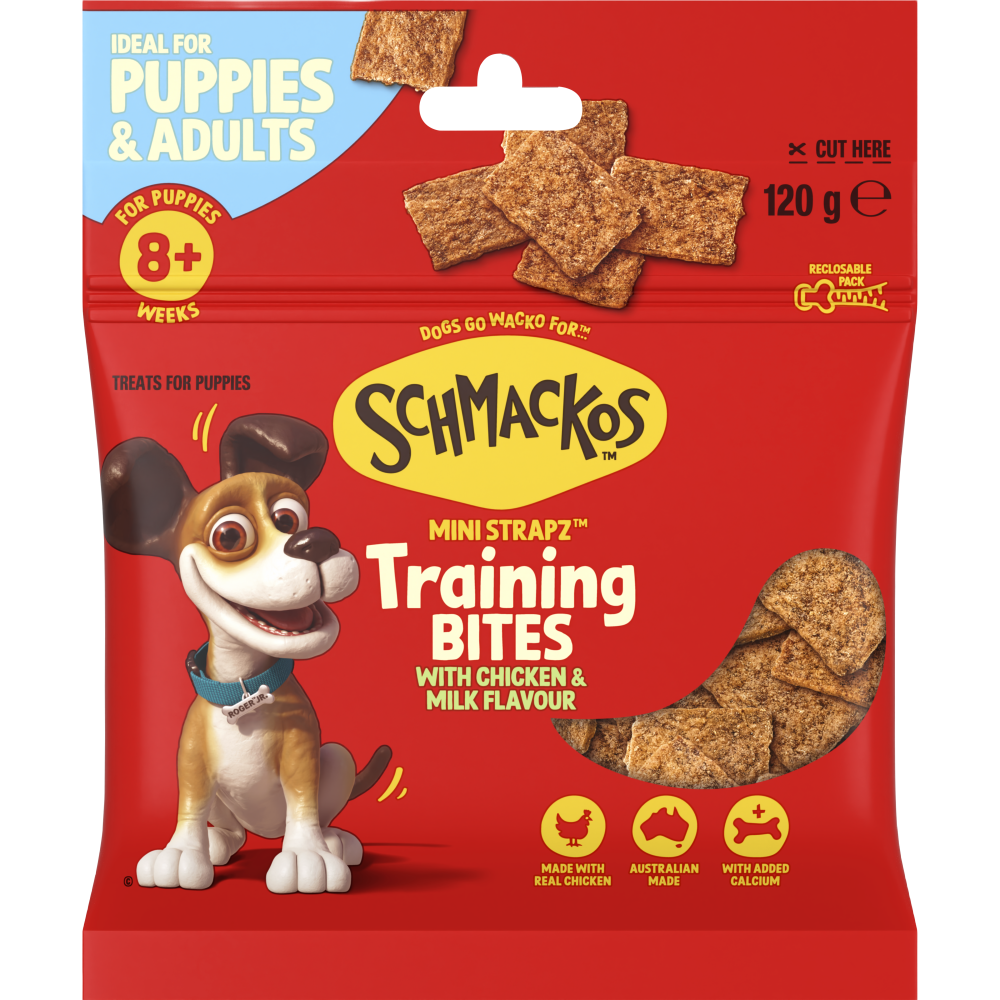
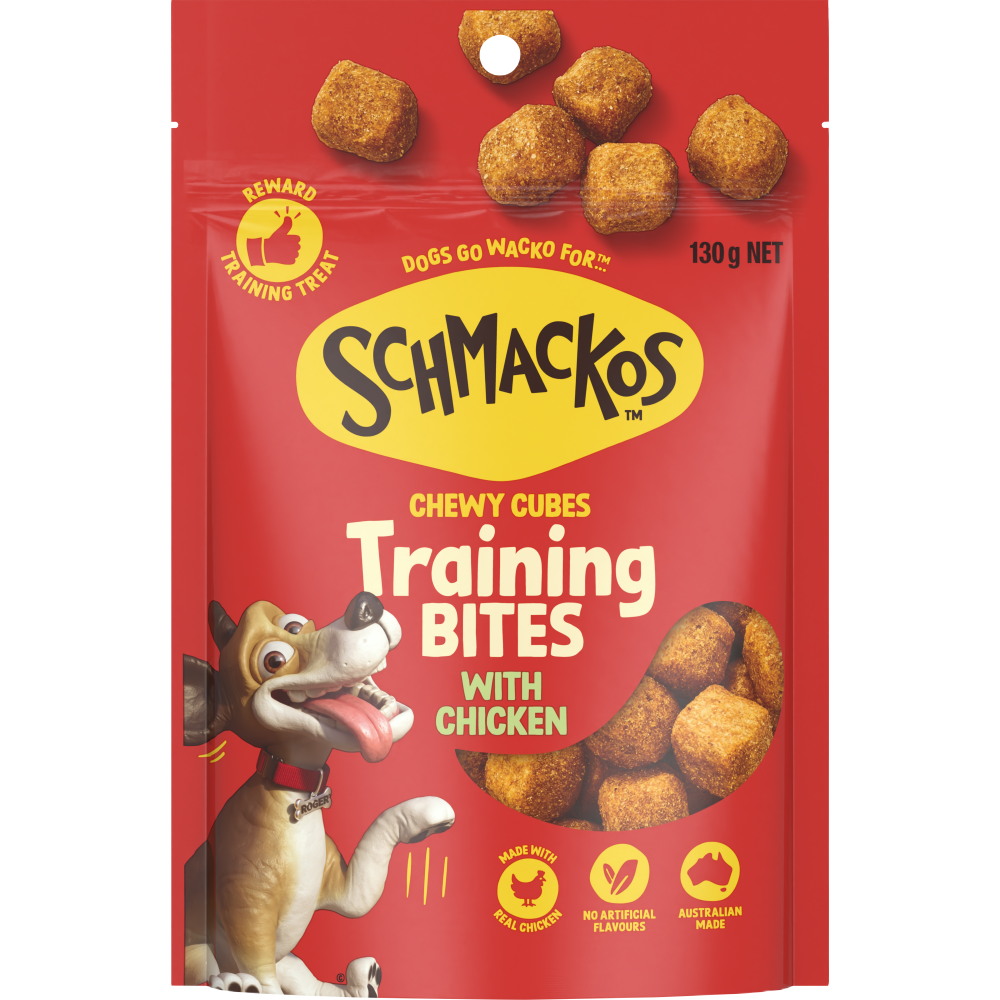
Have the right rewards ready — small, soft, high-value treats like SCHMACKOS™ Training Bites work best for quick repetitions.
Why train advanced tricks? Advanced dog tricks do more than impress your friends. They provide essential mental stimulation, strengthen the bond between you and your dog, improve focus and impulse control, and help reinforce good dog behaviour in everyday situations.
Essential Dog Training Basics to Master First
Before attempting any advanced dog tricks, your pooch needs a solid foundation. If your dog hasn’t nailed the basics, they won’t be able to pull off elaborate party tricks reliably.
The Five Foundation Commands Every Dog Should Know
Make sure your dog responds consistently to these core commands:
Sit — the starting point for nearly every trick
Stay — builds impulse control and patience
Come — essential for recall and safety
Leave — teaches your dog to ignore distractions
Lie down — the basis for rolls, bows, and other floor-based tricks
These basic dog training commands act as a foundation for everything else. While circus tricks are bound to draw a gasp, it’s also useful to have a well-mannered pooch in the home. Teaching your dog tricks is a fun way to teach them discipline through play.
How to Use Reward Treats Effectively During Training
You wouldn’t work for nothing, and neither does your dog! Here’s how to use treats the right way:
Start with one treat per trick — immediate reward builds the connection between action and treat.
Use high-value treats — small, soft, smelly treats are more motivating than dry kibble. SCHMACKOS™ Training Bites are designed specifically for training: bite-sized, easy to chew quickly, and packed with flavour.
Gradually reduce treats — once your dog reliably performs the trick, start rewarding every second or third attempt.
Always keep a reward handy — even advanced dogs benefit from occasional reinforcement to keep behaviours sharp.
Match the treat to your dog’s life stage — for younger dogs, SCHMACKOS™ Puppy Training Bites in Chicken & Milk flavours are a gentle, puppy-appropriate option.
🦴 Pro Tip: Treats should make up no more than 10% of your dog’s daily caloric intake. Adjust meal portions on training days to keep your dog at a healthy weight.
Tools to Help You Train: Clickers and More
You might want to invest in a clicker — a small tool that makes a distinct sound, letting your dog know a treat is on the way. Clicker training is one of the most effective positive reinforcement methods because it marks the exact moment your dog does the right thing.
Other useful training tools:
A pouch or pocket for quick treat access
A standard flat collar and lead
A quiet, low-distraction training space
5 Advanced Dog Tricks to Teach Your Dog
The key is repetition, patience, and letting your dog rest when tired. It’s meant to be fun!
Trick 1: High Five
One of the easiest advanced tricks — dogs naturally paw at things when curious.
Step-by-step:
Hold a treat in your closed fist; let your dog lick and sniff.
When they paw at your hand, click or say “yes” and reward.
Repeat until they paw every time, then add the cue “high five.”
Transition to an open palm, then reward from your other hand.
Common mistakes: Don’t grab their paw — let them offer it voluntarily. Click the exact moment of contact, not after. If they won’t paw, hold the treat slightly higher to encourage a lift.
🎓 Expert Tip: “Let your dog figure it out themselves — set up the situation so they choose to offer the behaviour, then reward generously.”
Trick 2: Sing
Teach your dog to bark or howl on cue through positive reinforcement of natural vocalisation.
Step-by-step:
Get your dog excited, then sing or howl yourself.
The moment they bark or howl, click and treat immediately.
Repeat, then add the cue “sing” before each vocalisation.
Shape longer or more melodic sounds if desired.
Troubleshooting: Only reward on cue to avoid nuisance barking. If your dog won’t vocalise, try a harmonica or high-pitched excited noises. Not every dog is a singer — if they seem stressed, try a different trick.
Trick 3: Freeze — The Emergency Stop
A neat trick that’s also genuinely useful — an emergency “freeze” can stop your dog mid-stride before danger.
Step-by-step:
Give “stay,” walk a short distance away, then call your dog.
Step towards them; when they hesitate, say “freeze” and reward.
Gradually increase distance, speed, and distractions.
Practise indoors, then the garden, then the park.
Troubleshooting: Say “freeze” once — don’t repeat. If they slow but don’t stop, reward smaller increments of stillness first, then raise your standard. Keep SCHMACKOS™ STRAPZ™ handy for quick outdoor rewards.
Trick 4: Bow — The Showstopper
A natural stretching movement that’s easy to capture and put on cue.
Step-by-step:
Ask your dog to “stand.”
Hold a treat at their nose, then slowly lower it between their front paws.
Any elbow bend earns a treat — click and reward.
Gradually require more depth until both elbows touch the floor with backside up.
Add the cue “bow,” then fade the lure to a hand signal.
Troubleshooting: Lower the treat slowly so they follow it down rather than lying flat. Only reward when the backside stays up. Many dogs do a “play bow” naturally — click and reward when you spot it to fast-track training.
Trick 5: Fetch & Retrieve
A classic that provides both physical exercise and mental stimulation.
Step-by-step:
Encourage your dog to grab a toy — use a treat if needed.
Toss it a short distance; when they pick it up, call them back enthusiastically.
Reward every return with a treat.
Gradually throw further, then add a “drop” cue — trade a treat for the toy.
Troubleshooting: Don’t chase your dog — it turns fetch into keep-away. Teach “drop” with a treat trade rather than pulling the toy. If they run off, use a long lead or practise in a hallway.
🦴 Pro Tip: Reward the return, not the chase — the treat comes when your dog brings the toy back.
How Often Should You Train Your Dog?
Consistency beats duration. Here’s a simple guide:
Dog’s Stage | Session Length | Sessions/Day |
|---|---|---|
Puppy (under 6 months) | 3–5 min | 2–3 |
Adolescent (6–18 months) | 5–10 min | 2–3 |
Adult | 10–15 min | 1–2 |
New advanced trick | 5–10 min | 1–2 |
Key principles: End on a success, practise daily, and watch for fatigue — yawning, lip-licking, or turning away mean it’s time for a break.
Key Takeaways & Quick Tips
Master the five basics first
Use high-value, bite-sized treats like SCHMACKOS™ Training Bites
Keep sessions to 5–10 minutes
Train in a low-distraction environment first
Use a clicker or consistent marker word
Reward the exact moment of success
Never force your dog into position
Always end on a win
Golden rules: Positive reinforcement works. Consistency beats intensity. Patience pays off. Train the dog in front of you.
Expert Tips & References
Train little and often — short daily sessions outperform occasional long ones.
Let your dog succeed — set up each step so they can get it right.
Match the reward to the difficulty — harder tricks call for higher-value treats.
Read body language — stress signs mean lower the difficulty or take a break.
Keep it positive — never punish; reset and try an easier level.
Always consult a qualified trainer or veterinary behaviourist for persistent behavioural issues.
Frequently Asked Questions
Explore our Latest Articles and Dog Care Guides
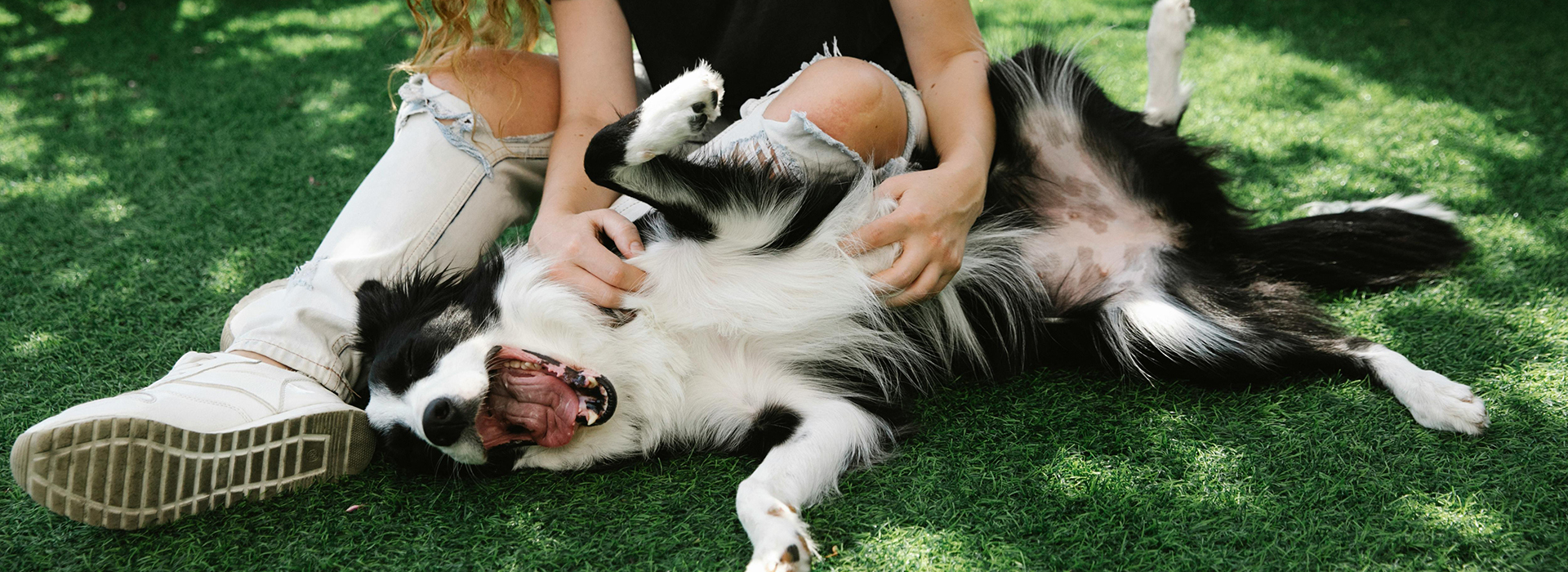
Treating Moments During Training
Good training treats for dogs are a handy tool for getting your doggo to be on their best behaviour. Dogs are clever little characters, and when you reward them for doing something, they are more likely to do it again! Find out how and when to use treats to bring out the best in your dog when you treat and train, and a few things to avoid.
READ MORE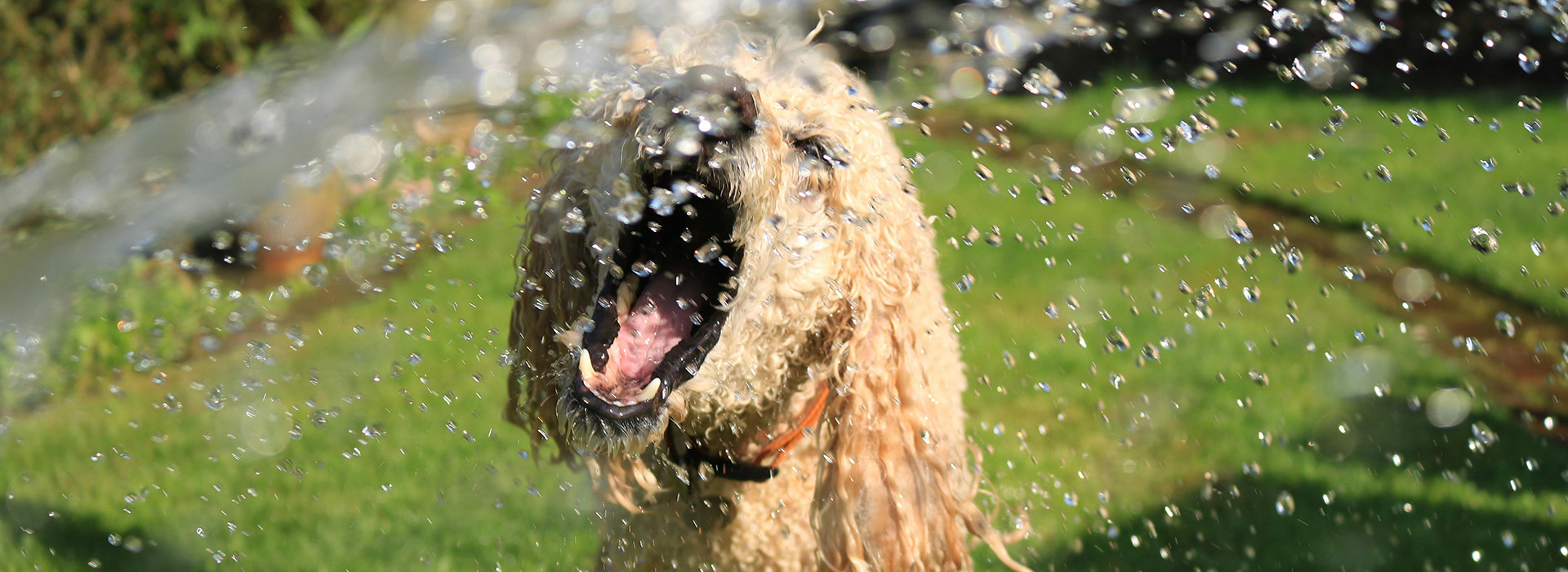
Dog Behaviours and Quirks Explained
You never know what to expect when getting a dog! Although there are some typical dog behaviours you can anticipate, they do have some behaviour quirks that leave us scratching our heads. These little oddities are – mostly – harmless, but it pays to understand what is going on in their doggo brains.
READ MORE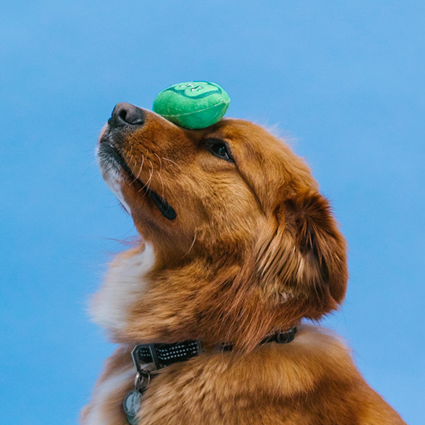
Five Fun Beginner’s Tricks to Teach Your Dog
Unleash your doggo’s potential by teaching them some flashy tricks to show off to all their friends! There are a few easy tricks to get started with, from a simple sit to an ever-so-distinguished handshake. You can include these tricks in your puppy training or start at any age!
READ MORE
How To Sleep Train Your Dog
Your furry friend needs a good night's sleep to recharge that good doggo energy, not to mention you deserve some undisrupted shuteye too! So, if your pooch regularly wakes up at night and you’re wondering how to sleep train a dog, try some of these handy tips to help them settle.
READ MOREDiscover our Dog Treats for Training!

Placeholder for the 'Salesforce Datalayer Tag Block' field