

Socialising Your Dog: Why It Matters and How to Do It Safely
Publish Date: 15/10/2026
Estimated reading time: ~8 Minutes
Key Takeaways
- Socialisation builds confidence and helps prevent fear-based behaviour throughout your dog's life
- The puppy socialisation window (3–14 weeks) is a critical period for shaping lifelong behaviour
- Socialising should always be gradual, positive, and tailored to your dog's age and personality
Positive reinforcement with treats and praise makes socialisation training effective and feel-good fun
Dog socialisation is one of the most tail-waggingly important things you can do for your furry best mate. It's all about helping your dog feel comfortable and confident in the world around them — new people, other dogs, unfamiliar places, and everyday sounds. With a bit of patience, some positive reinforcement, and a SCHMACKOS™ treat or two, you'll be well on your way to raising a confident dog who goes a little bit WACKO™ for all the right reasons.
Why Dog Socialisation Matters: Building Confident Dogs Through Better Behaviour and Social Skills
Think of socialisation as your pup's introduction to the big, wide world. Every new person they meet and every sound they hear shapes how they'll respond in the future. Well-socialised dogs tend to be more relaxed, adaptable, and happier — because they've learned the world is full of good things.
How Socialisation Builds Confidence in Everyday Situations
Confidence comes from repetition. When your dog encounters something new and the outcome is positive — a pat from a stranger, a friendly sniff from another dog — they file it away as "that was fine, actually." Do this enough, and you'll build confident dogs who approach new situations with a wagging tail.
Why Early Puppy Socialisation Supports Long-Term Behaviour Development
Puppy socialisation is especially powerful during the first 3–14 weeks of life. This is the developmental window when your pup's brain is like a sponge. Positive exposure during this critical puppy development stage lays the foundation for calm, well-adjusted dog behaviour for years to come.
Safe Ways to Introduce Dogs to New People, Pets and Places
The golden rule? Go gradual. Start with calm, controlled introductions — one new person at a time. Pair every new experience with something positive, like a SCHMACKOS™ CHOMP 'N' CHEW™ treat. That's the heart of socialisation training — making the unfamiliar feel friendly.
Understanding Dog Body Language During Socialisation Training
Your dog is constantly telling you how they feel. A relaxed body, soft eyes, and a loose, waggy tail mean comfort. A stiff posture, lip licking, yawning, or ears pinned back can signal stress. Reading these signals helps you know when to give your dog a breather.
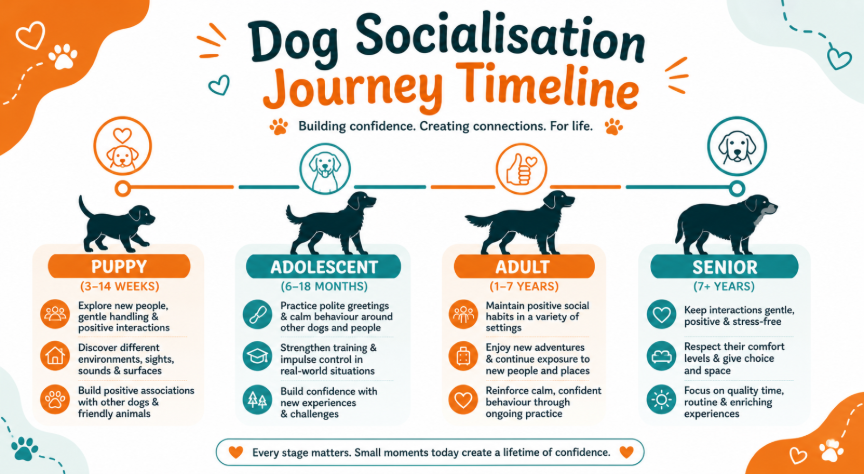
How to Socialise Your Dog Safely: Puppy Socialisation, Puppy Development and Beyond
Socialising dogs is a lifelong journey, not a one-off event. Here's how to approach it at every stage.
Safe Socialisation Opportunities for Puppies, Adult Dogs and Senior Dogs
Puppies: Puppy preschool, gentle handling, and meeting vaccinated, friendly dogs. Adult dogs: Regular walks in varied environments, playdates with known doggy friends, and café outings. Senior dogs: Keep it gentle and low-stress — short, positive interactions and familiar routines.
Gradual Exposure to New People, Pets and Environments
The key is gradual exposure — turning the volume up slowly, not all at once. Start at a low intensity and reward calm behaviour. Your dog learns that new things are nothing to worry about, especially when there's a SCHMACKOS™ treat involved. Because dogs go WACKO™ for those LIPSCHMACKIN'™ flavours — and that enthusiasm works wonders.
Using Positive Reinforcement During Dog Training and Socialisation
Positive reinforcement is the secret sauce. When your dog responds well to a new situation, reward them immediately with praise or a treat. SCHMACKOS™ treats are paw-fect for this — made with real ingredients. For more, see our guide to treating moments during training.
Recognising Signs of Successful Socialisation
How do you know if your efforts are paying off? Look for the signs.
Signs of Confidence and Positive Dog Behaviour
A well-socialised dog walks into a new situation with curiosity, not fear. They greet people politely, interact with other dogs calmly, and recover quickly from surprises — relaxed posture and an overall sense of "I've got this."
Healthy Interactions with People, Dogs and New Environments
Healthy interactions look like play bows, loose body language, and gentle sniff-and-greet rituals. With people, it's a friendly approach without jumping. In new environments, it's exploring with a relaxed wag.
Common Stress or Anxiety Signals to Watch For
Watch for lip licking, yawning, panting when not hot, a tucked tail, hiding, or refusing treats. These are your dog's way of saying, "This is a bit much." If you notice these, slow down and give your dog space.
Celebrating Small Improvements in Dog Social Skills
Progress isn't always a leap — sometimes it's a shuffle. Every positive experience adds up to rock-solid dog social skills that last a lifetime.
Building Strong Dog Social Skills Through Positive Experiences
Every positive experience is a brick in the foundation of good social skills. Social skills are built through practice — arrange playdates, invite friends over for calm introductions, and take your dog to new places. Don't forget mental stimulation — it supports social skills, too.
How Positive First Experiences Shape Long-Term Dog Behaviour
First impressions matter — for dogs, too. A positive first encounter creates a "that was fine" memory your dog carries forward. That's why gradual, well-managed introductions are so important for long-term dog behaviour.
Using Treats and Praise to Mark Good Social Choices
When your dog makes a great social choice, mark it with a treat and a "good dog!" SCHMACKOS™ treats are ideal for this.
There's no graduation ceremony for socialising dogs. It's a continuous journey. For more tips on raising a happy pup, check out our puppy house training guide.
Common Challenges and How to Overcome Them When Socialising Dogs
Even with the best intentions, socialising dogs can hit a few bumps. Here's how to navigate them.
The biggest mistake? Rushing. Forcing your dog into overwhelming situations can set back progress and create fear. The fix: go slow, read your dog, and celebrate every win. For more enrichment ideas, explore our dog enrichment guide.
Ready to Build a More Confident Dog?
Ready to give your dog the confidence they deserve? Explore the full range of SCHMACKOS™ products today and start building a happier, more confident dog, one treat at a time. Because a WACKO™ dog is a HAPPY dog.
Frequently Asked Questions
More Articles like this
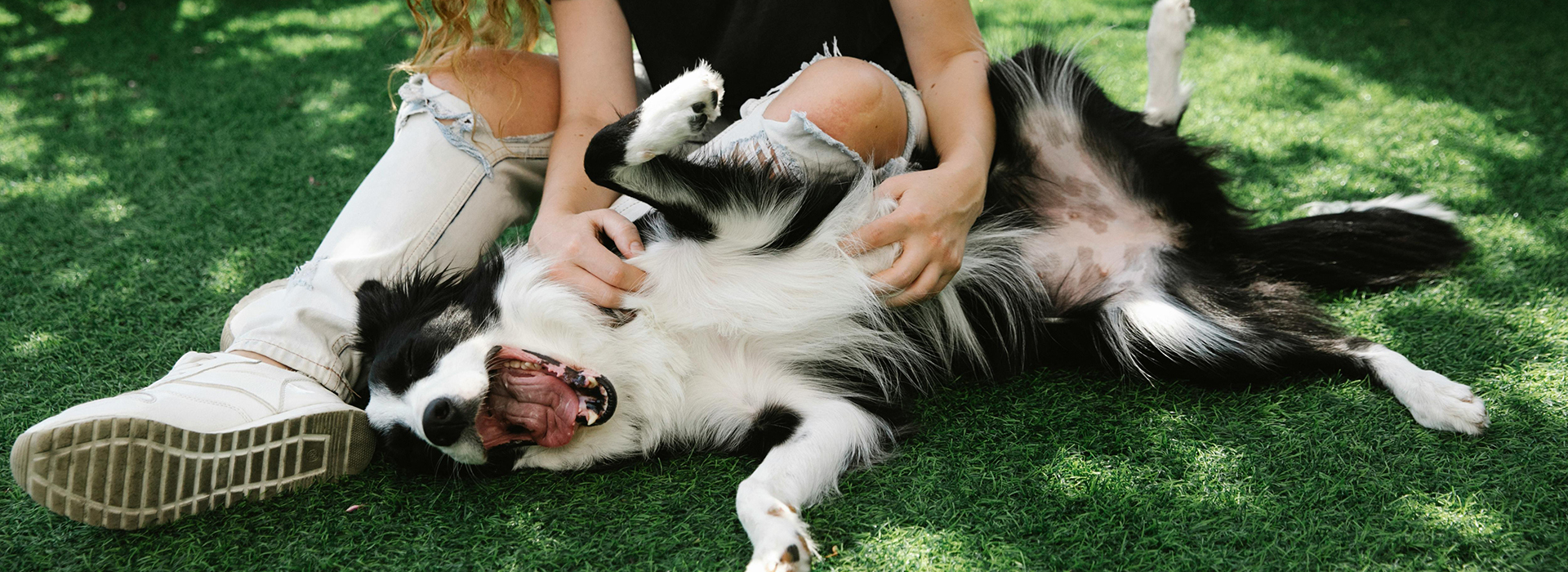
Treating Moments During Training
Good training treats for dogs are a handy tool for getting your doggo to be on their best behaviour. Dogs are clever little characters, and when you reward them for doing something, they are more likely to do it again! Find out how and when to use treats to bring out the best in your dog when you treat and train, and a few things to avoid.
READ MORE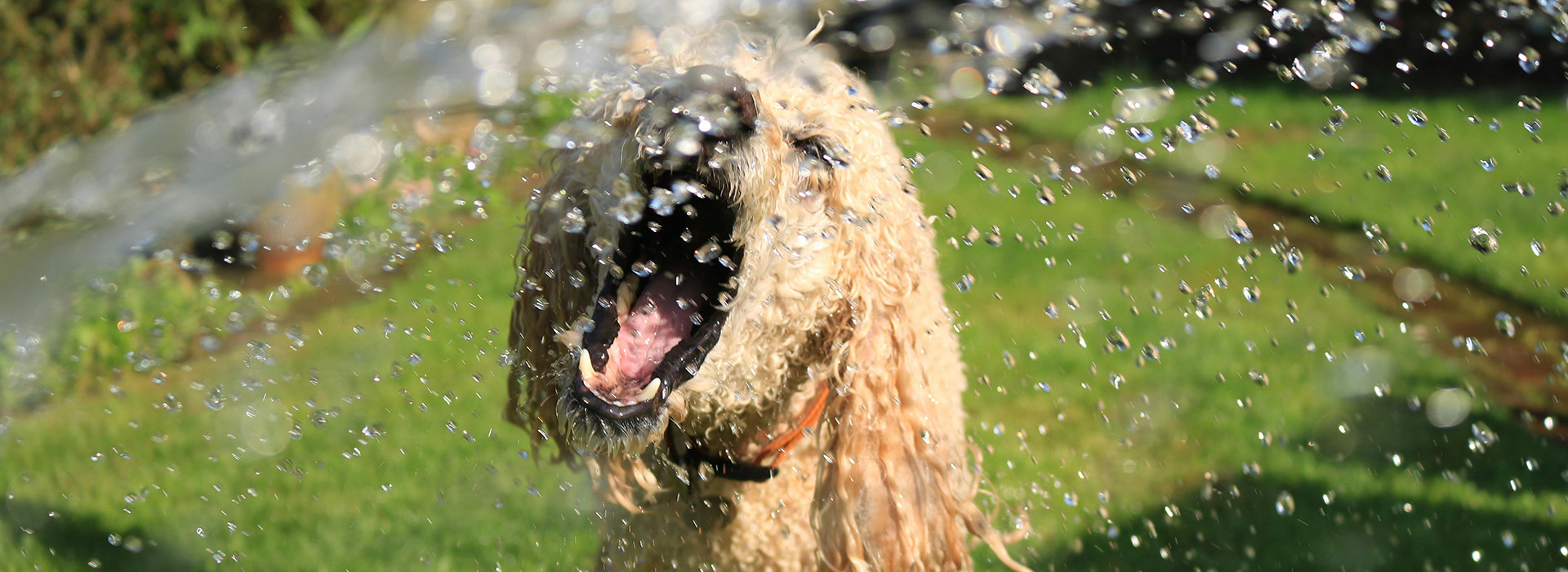
Dog Behaviours and Quirks Explained
You never know what to expect when getting a dog! Although there are some typical dog behaviours you can anticipate, they do have some behaviour quirks that leave us scratching our heads. These little oddities are – mostly – harmless, but it pays to understand what is going on in their doggo brains.
READ MORE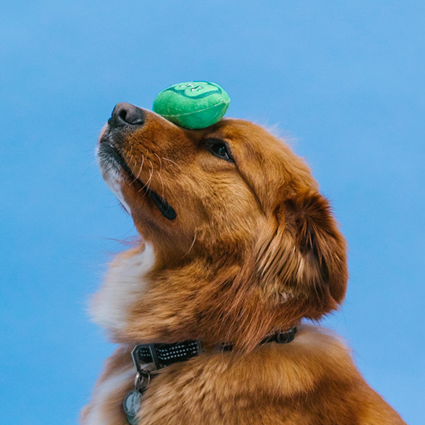
Five Fun Beginner’s Tricks to Teach Your Dog
Unleash your doggo’s potential by teaching them some flashy tricks to show off to all their friends! There are a few easy tricks to get started with, from a simple sit to an ever-so-distinguished handshake. You can include these tricks in your puppy training or start at any age!
READ MORE
How To Sleep Train Your Dog
Your furry friend needs a good night's sleep to recharge that good doggo energy, not to mention you deserve some undisrupted shuteye too! So, if your pooch regularly wakes up at night and you’re wondering how to sleep train a dog, try some of these handy tips to help them settle.
READ MOREPlaceholder for the 'Salesforce Datalayer Tag Block' field