
Fun Ways to Mentally Stimulate Your Dog: Brain Games, Puzzles & Enrichment Activities
Publish Date: 2/10/2026
Estimated reading time: ~8 Minutes
Quick Summary: Key Takeaways
Mental stimulation is as vital as physical exercise — it keeps your dog happy, healthy, and well-behaved.
Mix brain games into daily routines — puzzle feeders, scent games, training sessions, and new adventures all count.
Prevent boredom before it starts — under-stimulated dogs can become destructive, anxious, or disobedient.
Use food puzzles and enrichment toys — turn mealtime into a learning opportunity with treats like SCHMACKOS™ Training Bites.
Short, frequent sessions work best — a few minutes of brain work several times a day beats one long session.
Why mental stimulation matters Dogs are intelligent, curious animals. Engaging their brains builds problem-solving skills, prevents boredom-related behaviour issues, and strengthens the bond between you and your dog.
Why Mental Stimulation for Dogs Is Essential
Your dog needs food, shelter, and love — but they also need plenty of physical activity and things to get excited about. Mental stimulation for dogs is just as important as a good daily workout. It keeps them happy, healthy, and well-behaved.
Physical Stimulation
Your dog loves getting out for a walk, run, or game of fetch. These activities keep them healthy — burning energy, keeping weight in check, strengthening joints and muscles, and getting the heart pounding.
Mental Stimulation
Physical activity alone isn’t enough. You need to engage your dog’s brain as well as their body. Dogs are smart and need mental challenges to stay content. Just as humans get bored without mental stimulation, so can dogs. Lack of it can lead to destructive behaviour, depression, and disobedience — not good for you or your pup.
Why Dogs Need Both
It’s all about balance. When planning fun activities, think about how to keep your dog emotionally and mentally satisfied as well as physically healthy. Your pooch will be a lot happier — and that will only bring you closer.
Pro Tip: A tired dog isn’t always a happy dog. A physically exhausted but mentally under-stimulated dog can still become bored and destructive. Aim to tire both body and brain.
Mental Stimulation Activities for Dogs
You’re spoilt for choice when it comes to entertaining your pooch. Here are the best ways to work mental stimulation into your dog’s everyday routine.
Dog Brain Games and Puzzle Activities
People love puzzles and games — and so do dogs. And there’s nothing like a treat for motivation!
Puzzle feeders — dogs figure out how to reach their food, turning mealtime into a learning opportunity.
Hide-and-seek treat games — hide treats under cups or in drawers to encourage problem-solving.
Snuffle mats — fabric mats with hidden kibble or treats that let your dog use their nose to forage.
Food puzzles — toys that release treats when nudged, rolled, or tipped. Fill them with SCHMACKOS™ Training Bites for a high-value reward.
Reward patience and determination with a tasty snack — SCHMACKOS™ Training Bites in Beef, Cheese & Beef, Chicken, or Chicken & Milk are perfectly bite-sized for puzzle toys.
Scent Games and Nose Work
Dogs experience the world through their noses. Scent games tap into this natural ability and provide excellent mental enrichment.
Find it — scatter treats in the grass or around a room and tell your dog to “find it.”
Which hand? — hide a treat in one closed fist and let your dog sniff out the right hand.
Scent trails — drag a treat along the floor to create a trail, then let your dog follow it to the prize.
Start easy and increase difficulty as your dog gets confident. Scent work is low-impact, suitable for all ages, and incredibly tiring for the brain.
Enrichment Toys
Enrichment toys keep your dog occupied and mentally engaged, especially when you’re busy.
Stuffable toys — fill a rubber toy with treats and a little peanut butter (xylitol-free), then freeze it for a longer challenge.
Lick mats — spread soft food or mashed treats for a calming, slow-lick activity.
Chew toys — long-lasting chews like SCHMACKOS™ Marro Bones satisfy the natural urge to chew while providing mental satisfaction.
Obstacle Courses and Agility at Home
You don’t need professional equipment to build a simple obstacle course at home.
Use cushions for jumps, chairs for weave poles, and boxes for tunnels.
Guide your dog through with treats, rewarding each completed obstacle.
Add cues like “over,” “through,” and “around” to build vocabulary.
Obstacle courses combine physical and mental stimulation — your dog has to think about where to go next while moving their body.
Tricks and Training Sessions
You can teach an old dog — or a young one — new tricks! Learning keeps your dog’s mind sharp and gives their energy a positive focus.
Move beyond sit, stay, and come with flashy tricks like “play dead,” “spin,” or “high five.”
Teach your dog to fetch specific items by name — “get your toy” or “find the ball.”
Short training sessions of 5–10 minutes build focus and communication.
Use high-value rewards like SCHMACKOS™ Training Bites or SCHMACKOS™ STRAPZ™ to keep motivation high.
Adventures and New Experiences
Dogs love an adventure. New smells, sights, and experiences are dog heaven.
Mix up your walking route — a new path brings fresh scents and sights.
Visit dog-friendly places — dog parks, pet stores, or dog-friendly cafés offer social and sensory enrichment.
Car rides — even a short trip to a new location provides novel stimulation.
🎓 Expert Tip: “Sniffing is the canine equivalent of scrolling social media. Letting your dog sniff on walks isn’t a waste of time — it’s genuine mental enrichment. Try a dedicated ‘sniffari’ walk where the pace is entirely up to your dog’s nose.”
How Often Should You Mentally Stimulate Your Dog?
Aim to include some form of mental stimulation every day. Here’s a simple guide:
Activity Type | Duration | Frequency |
|---|---|---|
Training session | 5–10 min | 1–2x daily |
Puzzle feeder / food puzzle | 10–15 min | At mealtimes |
Scent games | 5–10 min | 2–3x weekly |
Obstacle course | 10–15 min | 1–2x weekly |
Adventure walk | 20–40 min | 2–3x weekly |
Key principles:
Short and frequent — a few minutes several times a day beats one long session.
Rotate activities — variety keeps things fresh and prevents your dog from mastering one puzzle too quickly.
End on a win — finish while your dog is still engaged and enjoying themselves.
Quick Tips for Mental Stimulation
Add a puzzle feeder to mealtimes
Play “find it” with SCHMACKOS™ Training Bites
Teach one new trick per week
Rotate enrichment toys to keep them novel
Try a “sniffari” walk — let your dog set the pace
Build a simple home obstacle course
Use stuffed, frozen toys for solo enrichment
Mix up your walking route regularly
Golden rules: Balance body and brain. Variety prevents boredom. Let your dog use their nose. Reward effort, not just results.
Trainer-Approved Tips for Dog Wellbeing
Let your dog sniff — sniffing is calming and deeply enriching. Don’t rush every walk.
Make them work for food — puzzle feeders and food puzzles turn a boring meal into a brain workout.
Start easy and build up — if a puzzle is too hard, your dog gets frustrated. Adjust the difficulty so they succeed often.
Watch for overstimulation — panting, whining, or losing interest can mean it’s time to stop.
Use mental stimulation on rest days — when your dog is recovering from injury or surgery, brain games keep them occupied without physical strain.
Incorporating mental stimulation into your dog’s daily routine isn’t just good for them — it’s great fun. It contributes to their overall health, helps prevent naughty behaviour, and strengthens your bond. For more tips, visit the Wonderful Side of Wacko™ blog.
Always consult a qualified trainer or veterinary behaviourist for persistent behavioural issues or signs of anxiety.
Frequently Asked Questions
More Articles like this
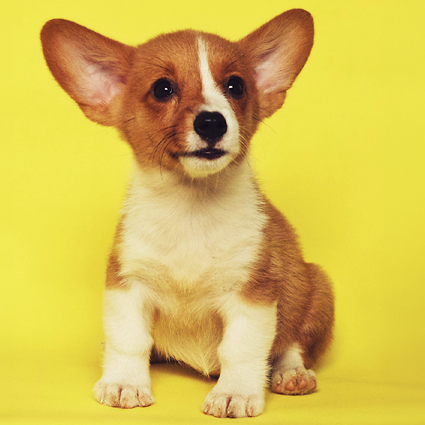
Tips For House Training A Puppy
Getting a new furry family member is so exciting, but with great fun comes great responsibility! And first up on the list is house training. This might seem daunting, but with patience, consistency, some LIPSMACKIN™ treats to bribe (we mean encourage) them, and our guide on how to house train a puppy, you’ll have it nailed in no time!
READ MORE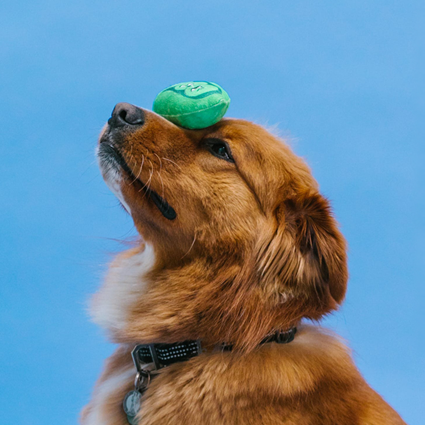
Five Fun Beginner’s Tricks to Teach Your Dog
Unleash your doggo’s potential by teaching them some flashy tricks to show off to all their friends! There are a few easy tricks to get started with, from a simple sit to an ever-so-distinguished handshake. You can include these tricks in your puppy training or start at any age!
READ MORE
How To Sleep Train Your Dog
Your furry friend needs a good night's sleep to recharge that good doggo energy, not to mention you deserve some undisrupted shuteye too! So, if your pooch regularly wakes up at night and you’re wondering how to sleep train a dog, try some of these handy tips to help them settle.
READ MORE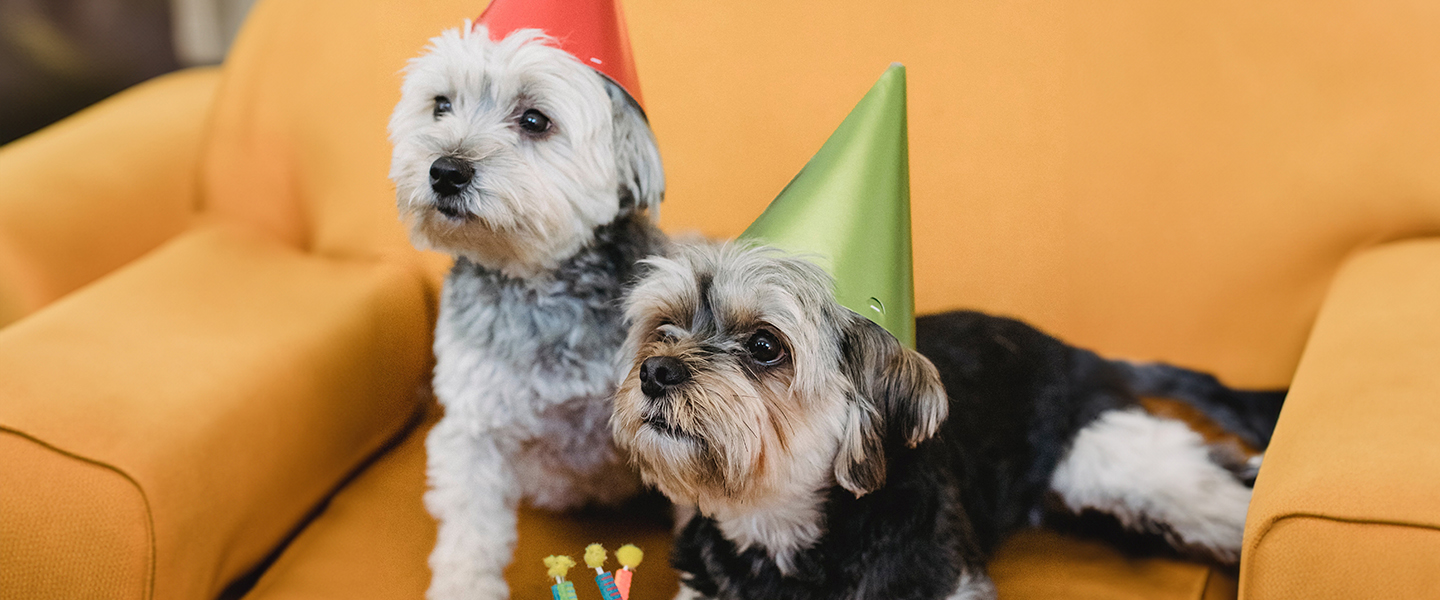
Treat Your Dog To The Best Birthday Ever!
If you’re like us, you love finding any occasion to celebrate and treat your furry friend, and your dog’s birthday is as good a reason as any. In fact, birthdays are one of the key treating moments in the doggy calendar, so stock up on their favourite treat of all, and plan something special that they’ll love!
READ MOREPlaceholder for the 'Salesforce Datalayer Tag Block' field